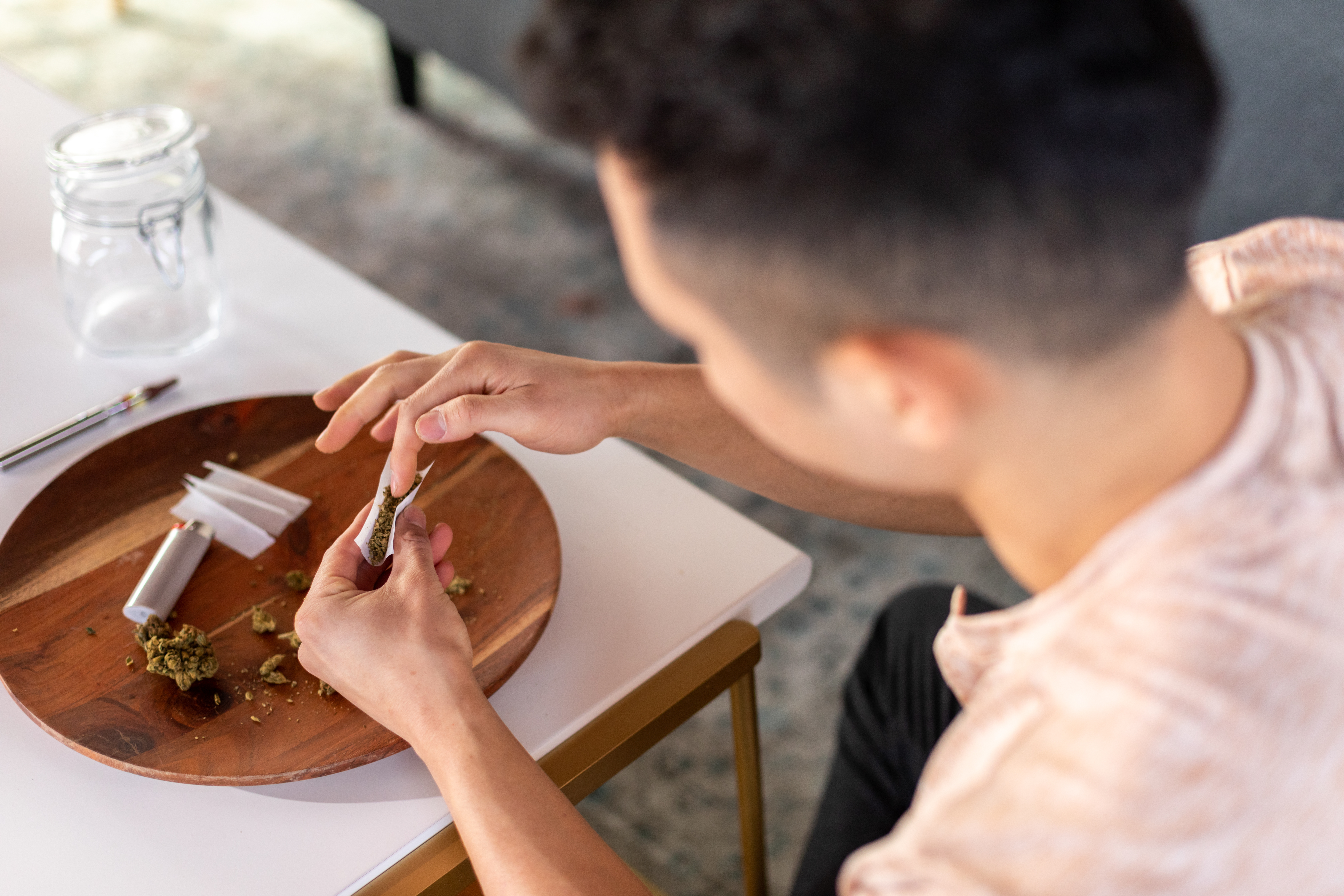
For small-scale cannabis entrepreneurs trying to launch in Maryland’s competitive adult-use market, the biggest hurdles are rarely a lack of product ideas—they are the astronomical capital costs of commercial processing machinery, specialized kitchens, and compliant manufacturing facilities.
To help bridge that gap, the Maryland Cannabis Administration (MCA) has released findings from its Micro Processor Production and Equipment Planning Survey. Drawing input from 11 conditionally and fully licensed micro processors, the survey provides a detailed blueprint for a state-planned incubator space facility designed to give social equity and independent operators affordable access to commercial infrastructure.
Capital Hurdles and Equipment Demand
The survey highlights a resounding demand for shared machinery. Over 81 percent of respondents rated temporary access to shared high-cost equipment as extremely valuable (5 out of 5) for their business during its early operational phase.
When asked about immediate machinery needs during their first year of operation, micro processors identified key production priorities:
- Pre-Roll Machines: 81.8% plan to purchase or access in Year 1.
- Vape Filling Machines: 72.7% plan to purchase or access in Year 1.
- Packaging & Labeling Equipment: 72.7% plan to purchase or access in Year 1.
- Basic Kitchen Equipment: 54.5% plan to purchase or access in Year 1.
However, acquiring commercial-grade processing hardware remains a major financial barrier. When asked what steps they would take if unable to purchase necessary equipment outright, 72.7 percent of processors stated they would delay certain product lines until affordable. Another 63.6 percent reported considering leasing equipment or contracting out processing services to other licensees.
Product Focus and Facility Requirements
In their long-term growth plans, processors expressed a strong focus on infused consumer goods. In their first year of operation, 81.8 percent of processors plan to manufacture flower and edibles. Within three to five years, demand expands sharply into topicals and transdermals (rising from 27.3% to 63.6%), capsules (36.4% to 54.5%), and beverage lines (rising to 81.8%).
To support production, processors emphasized the need for essential facility features alongside processing equipment. A vast majority identified packing and labeling stations (90%), dedicated prep and staging areas (80%), and waste disposal systems (70%) as necessary shared features. Additionally, all respondents noted interest in secure, climate-controlled storage for their inventory.
Regarding space, 54.5 percent of respondents indicated they would need between 500 and 1,000 square feet of dedicated production space within an incubator, while 27.3 percent require less than 500 square feet.
Budget Realities and Geographical Access
Financial constraints among micro processors remain tight. When asked what monthly cost would be affordable to access state incubator facilities and shared equipment, 72.8 percent of operators selected options under $1,000 per month:
- Less than $500/month: 36.4%
- $500 to $1,000/month: 36.4%
- $1,000 to $2,500/month: 18.2%
- $2,500 to $5,000/month: 9.1%
In terms of facility location, 36.4 percent of respondents pointed to Prince George’s County and the Eastern Shore as accessible regions for an incubator site, followed by Baltimore City/County (27.3%) and Montgomery County (18.2%).
Alongside physical infrastructure, processors expressed significant interest in technical training, with 81.8 percent seeking guidance on regulatory compliance, enforcement standards, business plan development, and financial management.
MCA officials emphasized that the survey represents just one feedback loop among several stakeholder touchpoints, with final decisions regarding the incubator facility’s design and equipment selection being made holistically.